







Epic Gardening
Free shipping on orders over $79
Product Details
Product Details
Discover the joy of cultivating your own tea with the Tea Plant. Ideal for tea aficionados and gardening enthusiasts, this versatile plant transforms your garden or indoor space into a personal tea factory.
Embrace the tradition of tea making with your own Tea Plant. It’s more than just a plant; it’s a delightful journey from leaf to cup!
All sales final. For any questions, please reach out to customer support for assistance.
30-Day Satisfaction Guarantee! We want your plants to arrive healthy and in good condition on every order, but if something doesn't look right we want to fix it! Our 30-Day Satisfaction Guarantee provides a window for all customers to reach out if there are any concerns with your order on live plants. Contact Customer Support and our team will review your concerns and, if necessary, provide you with a one-time replacement at no cost.
Why You'll Love It
Why You'll Love It
- Homegrown Tea Leaves: Enjoy fresh, home-brewed tea by harvesting and processing your own leaves for green, black, or oolong tea.
- Beautiful Blooms: Delight in its lovely white flowers that not only beautify your garden but also attract beneficial pollinators.
- Year-Round Greenery: Its glossy, evergreen leaves provide a lush look throughout the year.
- Adaptable: The Tea Plant is adaptable to various growing conditions, making it a fantastic addition to both large gardens and small patios.
- Cost Savings: Cut down on tea costs by growing and preparing your own tea leaves instead of buying them at the store.
- Eco-Friendly: Reduce your environmental footprint by sourcing tea locally from your own garden.
- Educational Fun: A great way for families to learn about gardening and the tea-making process together.
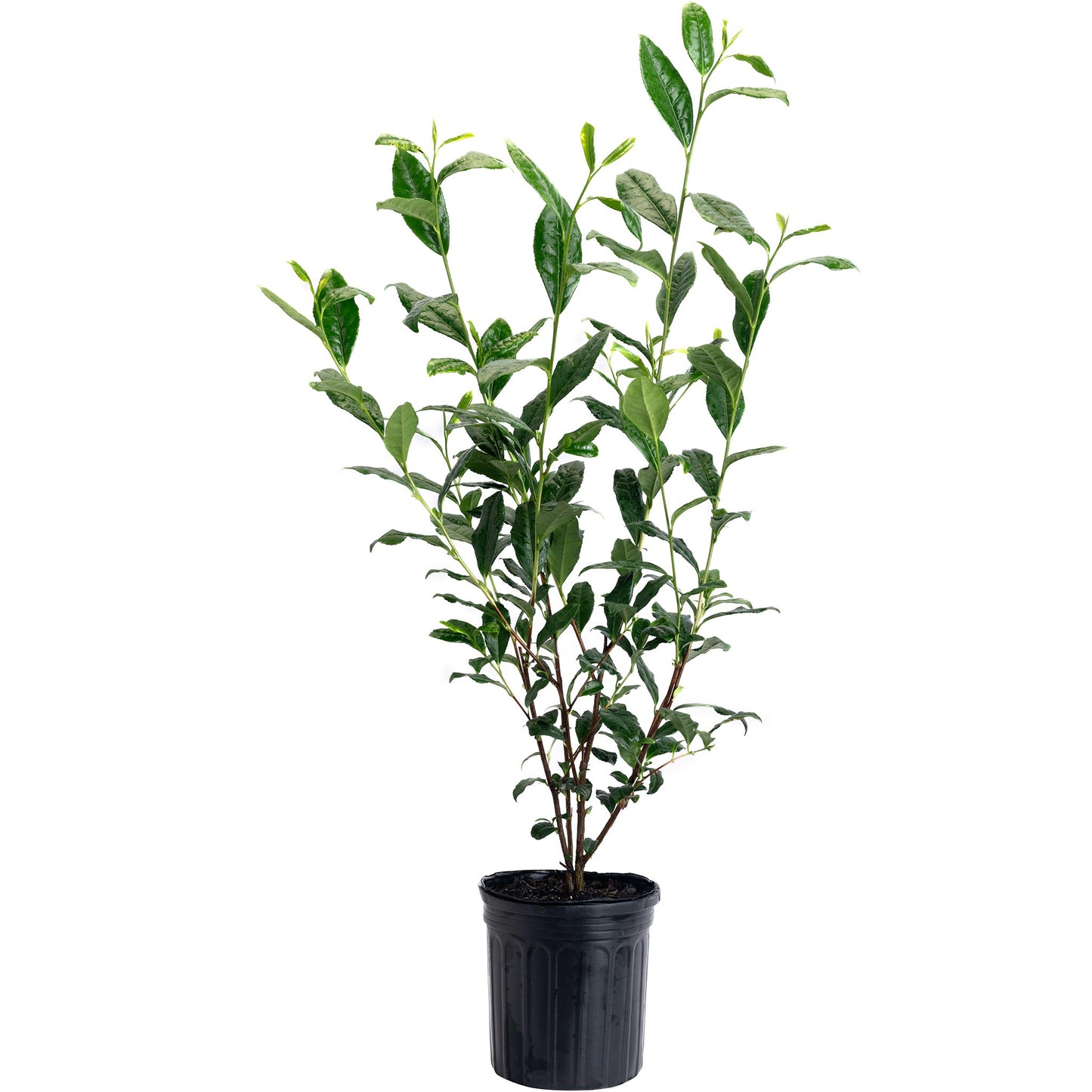

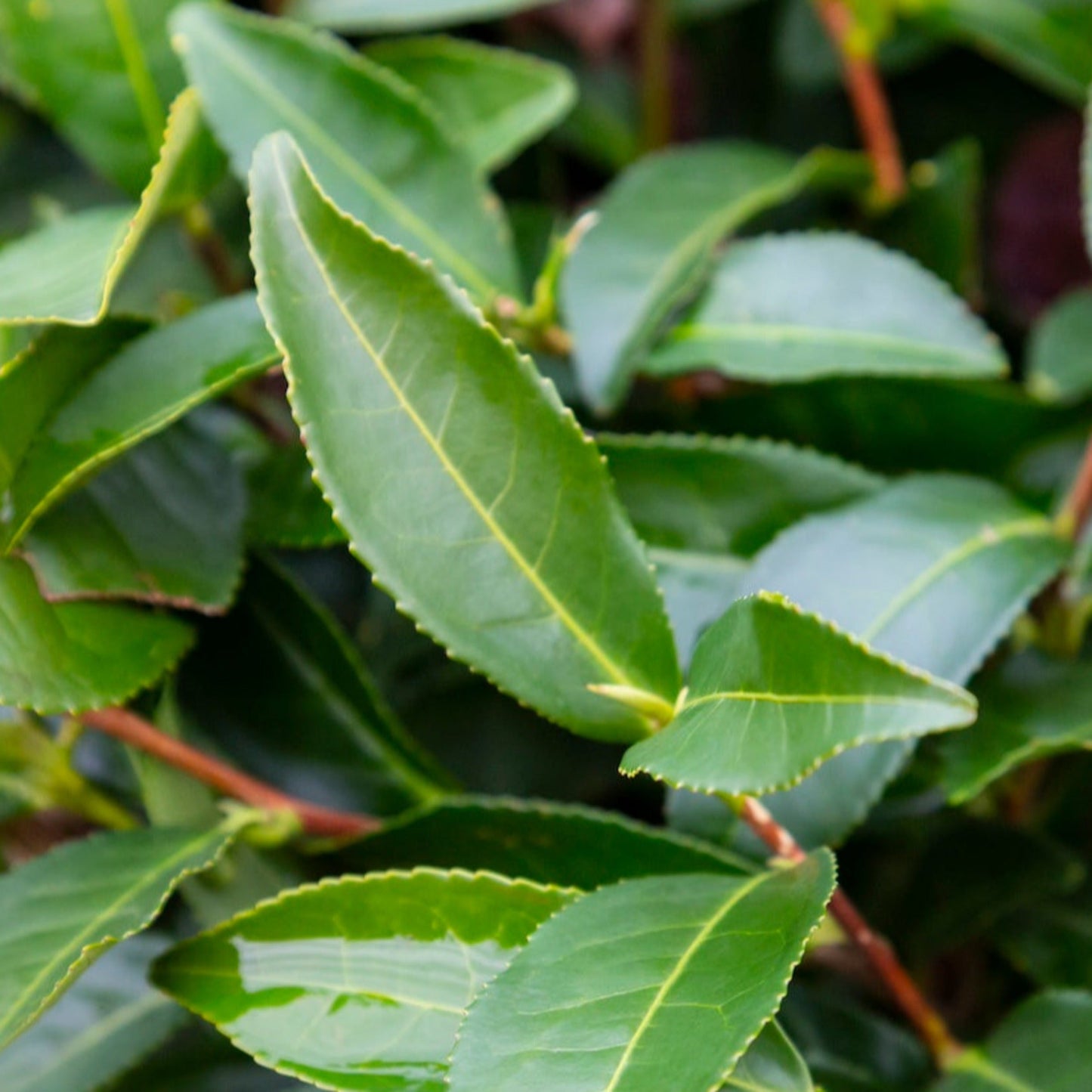
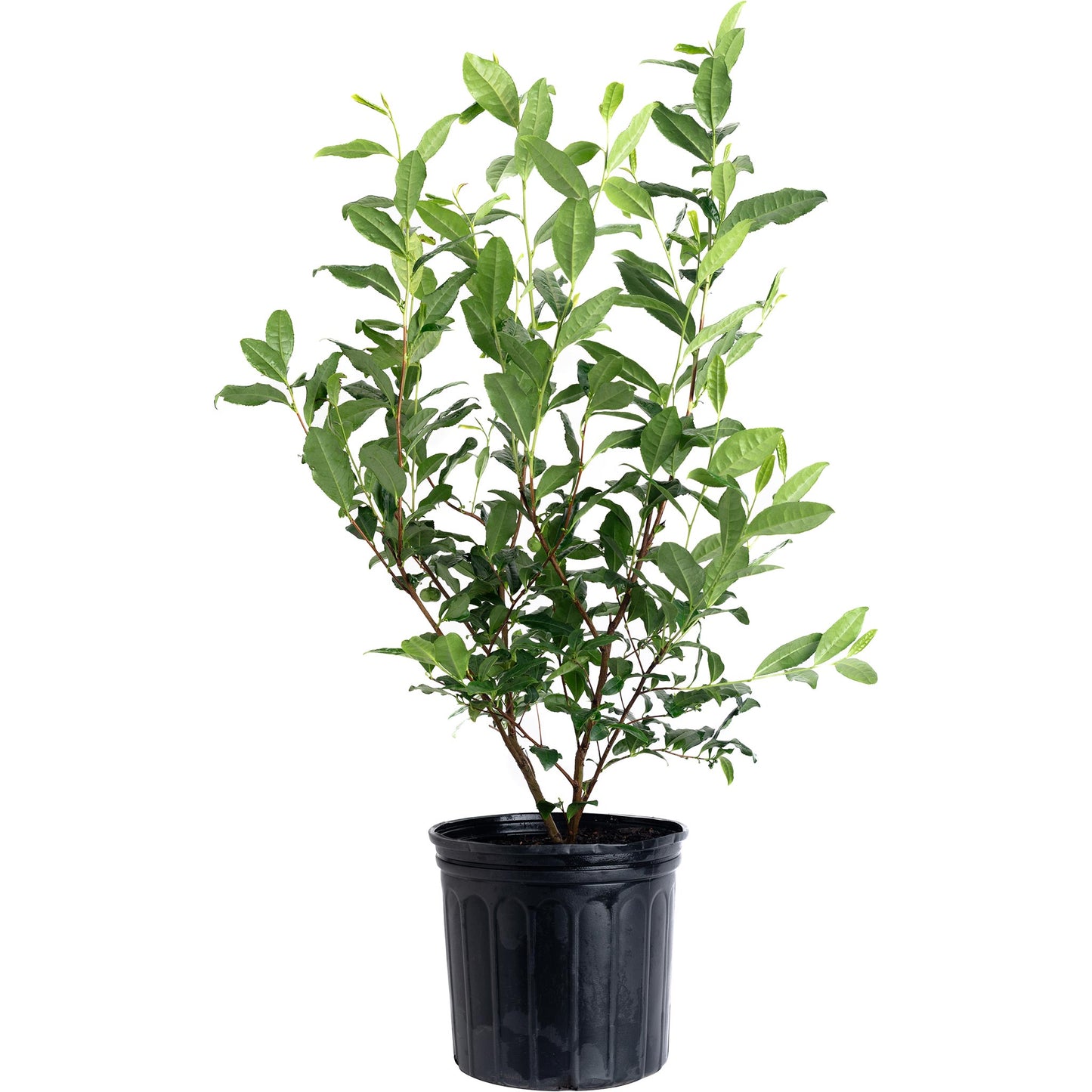
Tea Plant (Camellia sinensis)
View More Planting Info
Tea plants thrive in well-drained, acidic soil and prefer partial shade to full sun. Water the plant regularly, ensuring the soil stays moist but not waterlogged. Prune the plant to maintain its shape and encourage new growth. Mulching can help retain soil moisture and control weeds. In colder climates, consider growing the tea plant in a container so it can be brought indoors during winter.

Location
Choose a location with partial shade and well-draining, acidic soil (pH 5.5-6.5). You can grow a tea plant indoors, especially if you live in an area with cold winters. Choose a large container with good drainage, and place the plant near a sunny window where it can receive ample sunlight. Ensure the indoor environment is humid enough, as tea plants prefer humid conditions. Using a humidity tray or a room humidifier can help maintain the right moisture levels.

Pollination
Tea plants do not require pollination to produce leaves. The leaves themselves are what you harvest and use to make tea. However, tea plants do produce small, fragrant flowers that attract pollinators like bees, which can help improve the overall health of your garden ecosystem.

Harvesting
You can start harvesting tea leaves once your plant is established, typically after three years. The best time to pick tea leaves is during the growing season, from late spring to early fall. For the freshest flavor, pick the youngest leaves and buds, ideally early in the morning. Regular harvesting encourages new growth and keeps the plant healthy.
- Product Info
- Care and Maintenance
- Planting Care
- Growing Zone
Product Info
Mature Height: 6-15 ft.
Mature Width: 4-8 ft.
Sunlight: Full Sun
Growth Rate: Slow
Does Not Ship To: AZ, OR
Care and Maintenance
Watering: Water regularly to keep soil moist but not waterlogged.
Fertilizing: Fertilize with an acidic fertilizer in spring and summer.
Pruning: Prune to maintain shape and encourage growth.
Pollination: Tea plants do not require pollination to produce leaves. The leaves themselves are what you harvest and use to make tea. However, tea plants do produce small, fragrant flowers that attract pollinators like bees, which can help improve the overall health of your garden ecosystem.
Harvesting: You can start harvesting tea leaves once your plant is established, typically after three years. The best time to pick tea leaves is during the growing season, from late spring to early fall. For the freshest flavor, pick the youngest leaves and buds, ideally early in the morning. Regular harvesting encourages new growth and keeps the plant healthy.
Planting Care
Sunlight: Full sun
Soil: Use a well-draining, acidic soil (pH 5.5-6.5).
Location: Choose a location with partial shade and well-draining, acidic soil (pH 5.5-6.5). You can grow a tea plant indoors, especially if you live in an area with cold winters. Choose a large container with good drainage, and place the plant near a sunny window where it can receive ample sunlight. Ensure the indoor environment is humid enough, as tea plants prefer humid conditions. Using a humidity tray or a room humidifier can help maintain the right moisture levels.
Harvesting: Harvest leaves in spring and summer for the best flavor.
Growing Zone
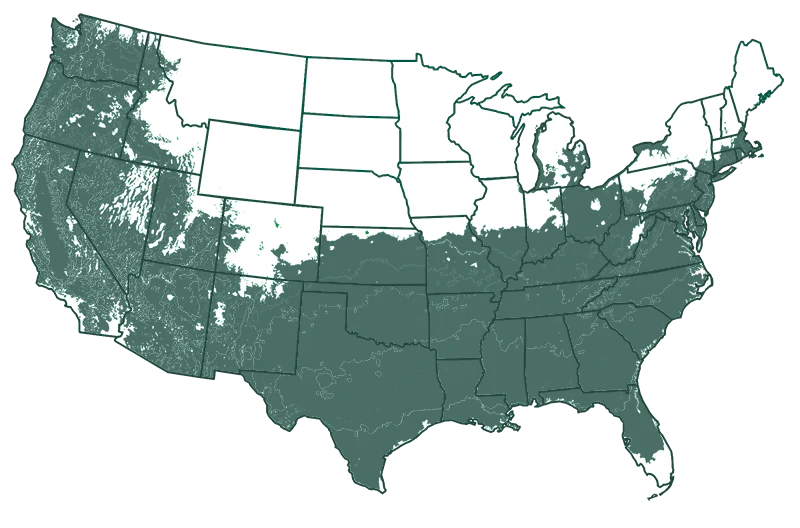
Growing Zone 6-9
Fruit Trees & Bushes Delivered to Your Doorstep
Unpack, Plant and Grow!

