







Epic Gardening
Free shipping on orders over $79
Product Details
Product Details
Ready to add a touch of tropical magic to your garden or home? Meet Edgar's Baby Dragon Fruit—your new favorite plant that combines stunning visuals with sweet rewards. This compact variety of dragon fruit is perfect for growers who love a big personality in a smaller package.
With Edgar's Baby Dragon Fruit, you’re not just growing a plant—you’re cultivating a conversation starter, a dessert delight, and a slice of the tropics. Give it a spot to shine today!
All sales final. For any questions, please reach out to customer support for assistance.
30-Day Satisfaction Guarantee! We want your plants to arrive healthy and in good condition on every order, but if something doesn't look right we want to fix it! Our 30-Day Satisfaction Guarantee provides a window for all customers to reach out if there are any concerns with your order on live plants. Contact Customer Support and our team will review your concerns and, if necessary, provide you with a one-time replacement at no cost.
Why You'll Love It
Why You'll Love It
- Vibrant Color: This purple-fleshed fruit is as fun to look at as it is to eat!
- Unique Appeal: Its vining cactus growth habit adds a sculptural, modern vibe to your décor.
- Sweet Treats: Produces deliciously sweet and tart fruit—perfect for snacking or smoothies.
- Low Maintenance: Thrives in bright light with minimal watering—great for beginner plant parents.

Edgar's Baby Dragon Fruit
View More Planting Info
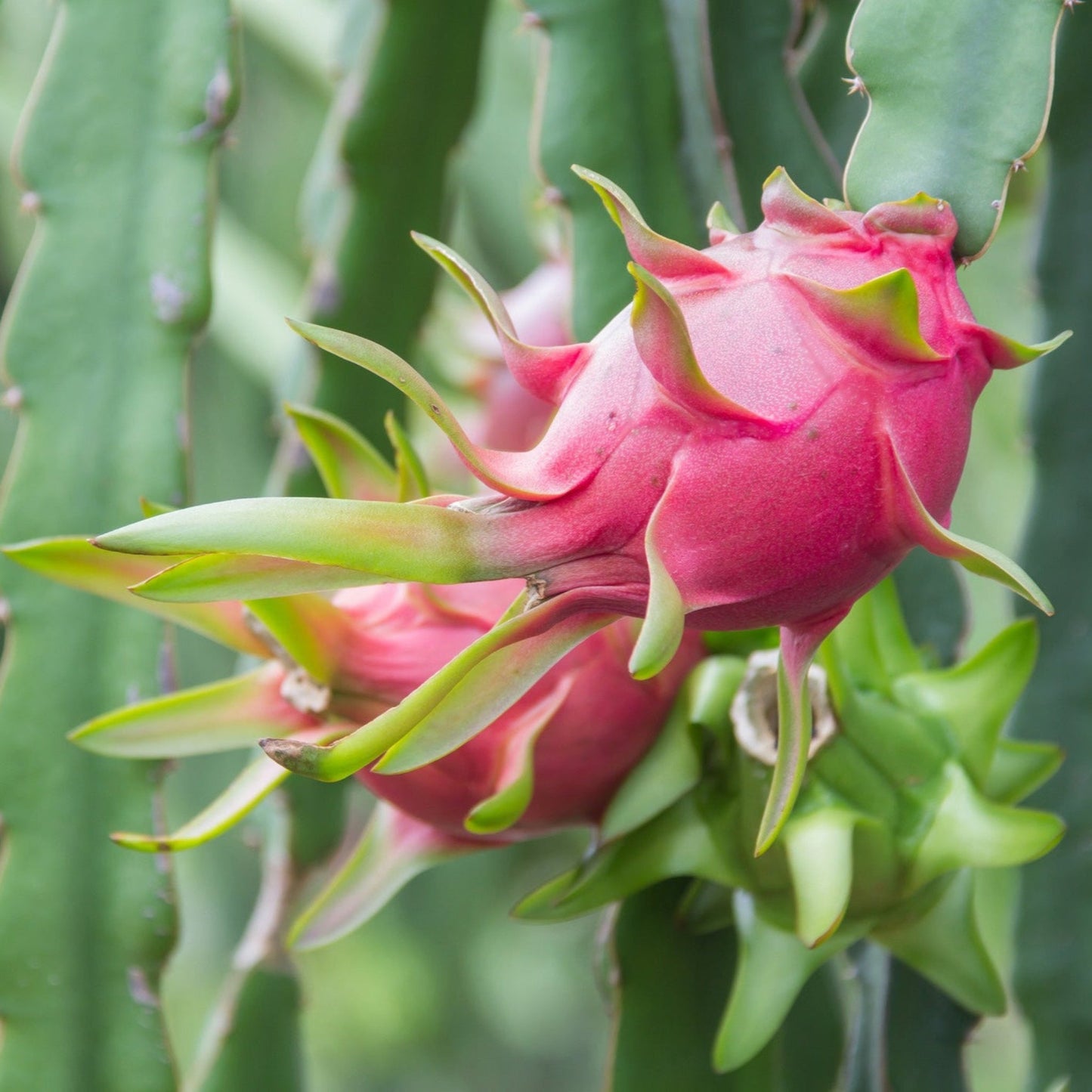
Edgar's Baby Dragon Fruit is a variety of dragon fruit known for its smaller size, vibrant pink or yellow skin, and sweet, juicy pulp. It’s a compact option, perfect for container gardening or smaller spaces. Its unique charm lies in its ornamental appeal and manageable size, making it ideal for both aesthetics and practical consumption. This variety thrives in well-drained soil, lots of sunlight, and a warm, tropical climate. If you’re in a cooler area, it’s an excellent candidate for container gardening indoors. Use a sturdy trellis for support, as it grows like a climbing cactus. Water moderately and let the soil dry out between waterings.

Harvesting
This plant can fruit 2 years after planting, depending on growing conditions. You'll know the fruit is ripe when the skin turns vibrant in color and slightly soft to the touch. Avoid overripe fruit, as it may lose flavor and texture.

Pollination
Dragon fruit plants often require pollination. While some varieties self-pollinate, you may get better results with hand-pollination, especially indoors. Gently transfer pollen from the flowers of one plant to another using a small brush during their short flowering window—typically at night.

Fertilizer
Feed with a balanced fertilizer (10-10-10) every 2 months during the growing season. Reduce feeding in winter.
- Product Info
- Care and Maintenance
- Planting Care
- Growing Zone
Product Info
Mature Height: 15-20 ft.
Mature Width: 5-10 ft.
Sunlight: Full Sun
Growth Rate: Moderate
Does Not Ship To: AZ, OR
Care and Maintenance
Fertilizing: Feed with a balanced fertilizer (10-10-10) every 2 months during the growing season. Reduce feeding in winter.
Pruning: Prune dead or overcrowded stems to maintain airflow and encourage fruiting.
Pollination: Dragon fruit plants often require pollination. While some varieties self-pollinate, you may get better results with hand-pollination, especially indoors. Gently transfer pollen from the flowers of one plant to another using a small brush during their short flowering window—typically at night.
Harvesting: This plant can fruit 2 years after planting, depending on growing conditions. You'll know the fruit is ripe when the skin turns vibrant in color and slightly soft to the touch. Avoid overripe fruit, as it may lose flavor and texture.
Planting Care
Soil: Use sandy or loamy soil with a pH of 6-7. Add organic compost to enrich the soil.
Location: Choose a spot with full sun and well-draining soil.
Watering: Water deeply but allow the soil to dry slightly between waterings. Overwatering can cause root rot.
Pruning: Prune dead or overcrowded stems to maintain airflow and encourage fruiting.
Harvesting: Fruit ripens 30-50 days after flowering. Harvest when the skin is bright and evenly colored.
Pollination: The plant produces night-blooming flowers. Hand-pollinate with a brush if bees or bats are scarce.
Fertilizer: Feed with a balanced fertilizer (10-10-10) every 2 months during the growing season. Reduce feeding in winter.
Growing Zone
Growing Zone 9-11

Fruit Trees & Bushes Delivered to Your Doorstep
Unpack, Plant and Grow!

